

Spherical Lens
A spherical lens is a type of lens with surfaces that are shaped like parts of a sphere. These lenses are designed to bend (refract) light in a specific way, depending on their curvature. They are typically made from transparent materials like glass or plastic and are used to focus or diverge light in optical devices.
There are two main types of spherical lenses:
-
Convex lenses: These are thicker in the middle and thinner at the edges. They converge light rays to a focal point.
-
Concave lenses: These are thinner in the middle and thicker at the edges. They cause light rays to diverge, making them appear to come from a virtual focal point.
Vial Labeling Machines
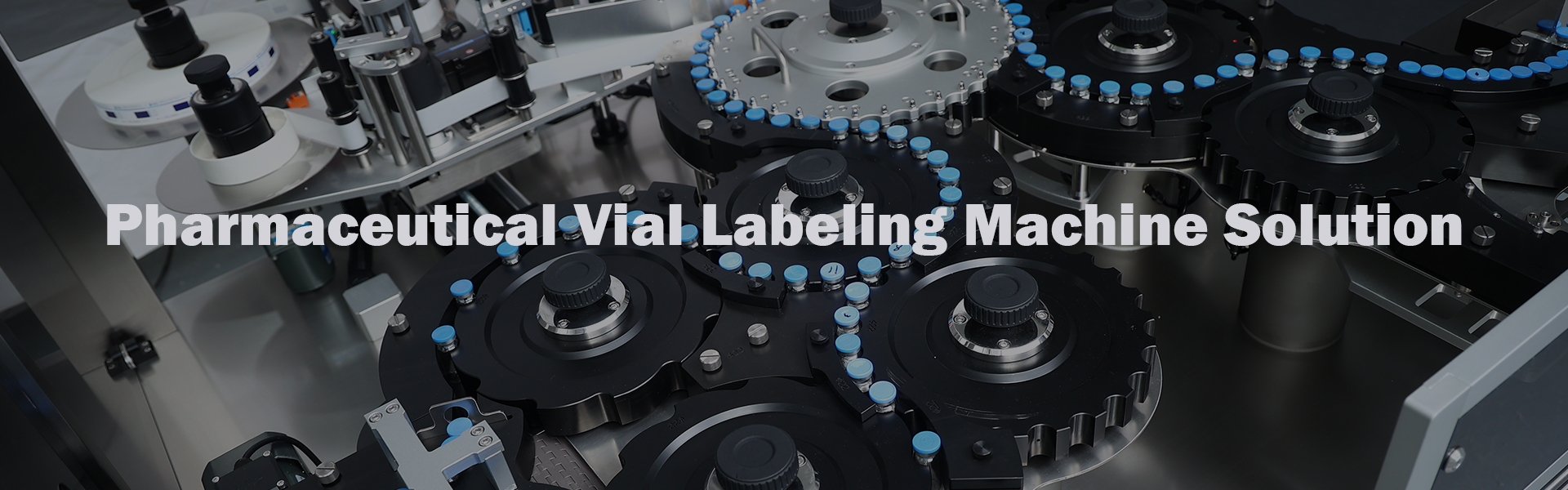
The vial labeling machine is specifically designed for labeling small round vials, primarily focusing on pharmaceutical vials (commonly known as "vials"). Its precise and flexible design ensures efficient and accurate labeling, making it ideal for handling small-sized glass or plastic vials.
- Flexible Speed Control: Adjustable labeling speed to accommodate different production volumes
- Quick Changeover: Less tool changeover design for easy adjustment between different vial sizes and label types, minimizing downtime.
Spherical Lens



BENEFITS OF PHARMACEUTICAL LABELING MACHINE

Maintains consistent labeling quality even at high production speeds.
Reduces label misalignment, which is critical for pharmaceutical compliance.

Automated label application minimizes manual labor and reduces human errors.
Works smoothly and quietly, ensuring a better production environment.

Uses heat-resistant materials to ensure stable operation under extreme conditions.
Components maintain performance even after prolonged exposure to high-temperature settings.

Equipped with automatic error detection, stopping the process when incorrect or missing labels are detected.
Audible alarm system alerts operators if an issue occurs, ensuring labeling accuracy.

Compatible with different label materials, including paper, plastic, and RFID tags.
Can apply labels to both primary (bottles, ampoules) and secondary (cartons, boxes) packaging.

Reduces production downtime with fast changeover capabilities for different label sizes and products.
Long lifespan of components lowers maintenance costs.
The Necessity of Automation in Vial Labeling
Vials, commonly used in science, medicine, and pharmaceuticals, are small, cylindrical glass bottles for storing liquids like vaccines, chemicals, and medicines. Accurate labeling is essential for identification and tracking, but the small size and high speed requirements make manual labeling challenging. Errors can be costly, potentially impacting public health. Automating the labeling process can minimize errors, reduce labor, and save time and money, but requires the right system for optimal handling.
There are both Horizontal Ampoule Labeling Machine and Rotary Type Ampoule Labeling Machine we have, just feel free to contact us to get the professional ampoule labeling solution for your production.Advanced vial labeling machines also offer customization options, such as the ability to adjust for different vial sizes, and can integrate with automated systems for tracking and inventory management.
Additional Modules:
- Printing Systems
- Camera Vision Systems
- Bar Code Detection
- Electronic Signature and Audit Tracking
Vial labeling machines are designed to apply labels to vials at high speeds while maintaining accuracy in label placement.
They ensure the precise application of labels containing crucial information such as drug names, specifications, batch numbers, and expiration dates.
By automating the labeling process, these machines significantly increase production efficiency compared to manual labeling
Accurate labeling guarantees the correctness of product information and facilitates traceability throughout the supply chain.
Many modern vial labeling machines are equipped with vision inspection systems to automatically detect and reject vials with missing, misaligned, or damaged labels.
These machines are typically designed with flexible adjustment and changeover mechanisms to handle vials of different sizes and shapes, catering to diverse production needs.