



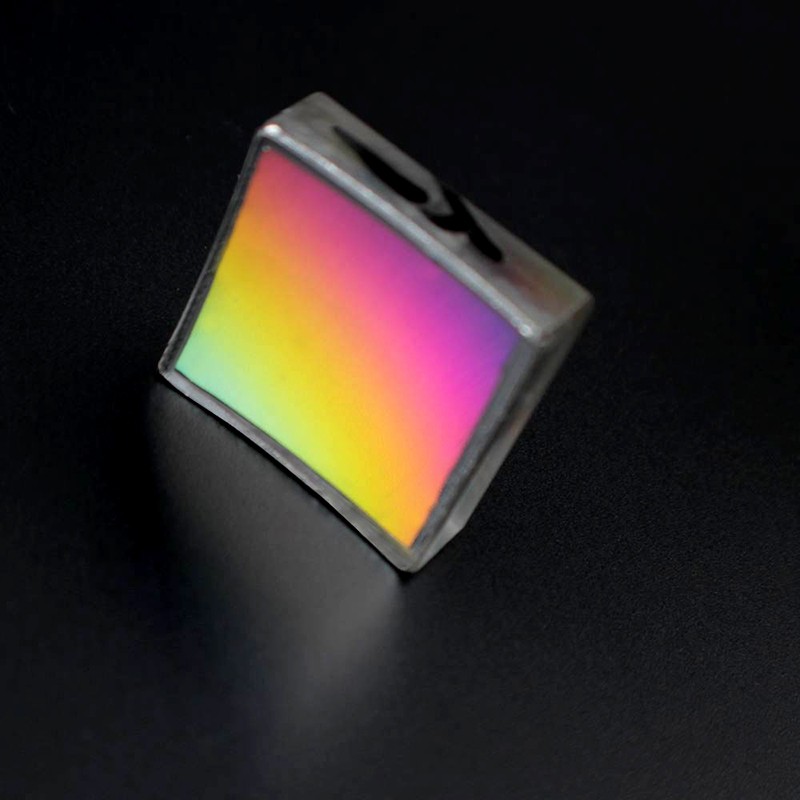
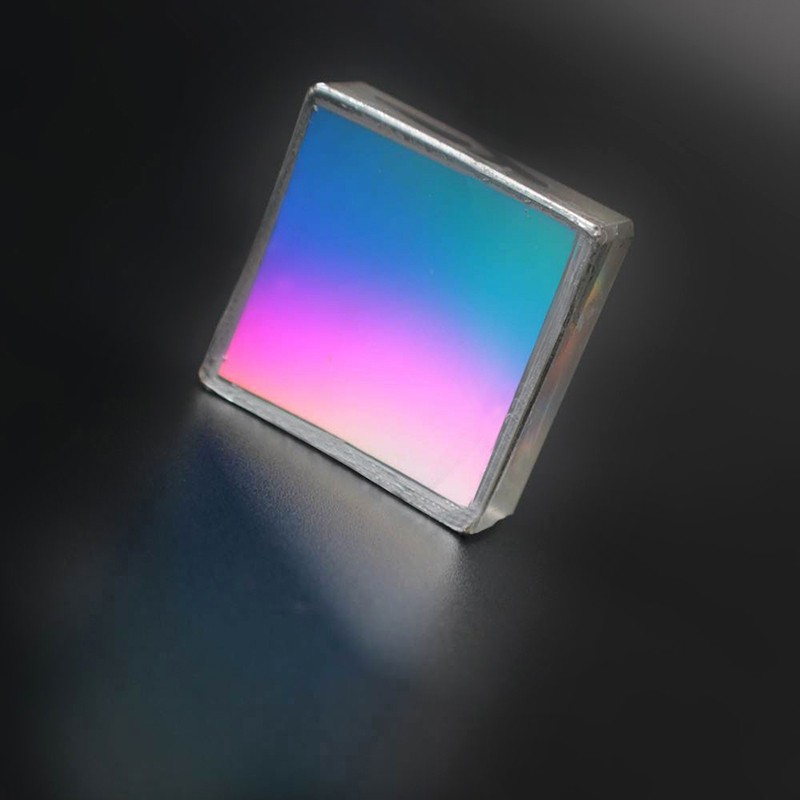
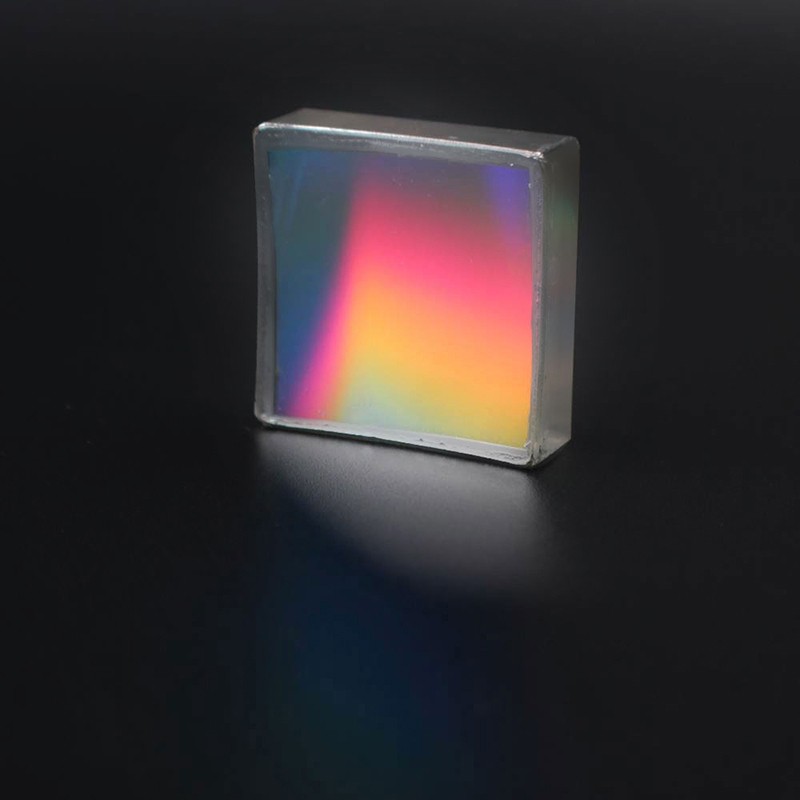
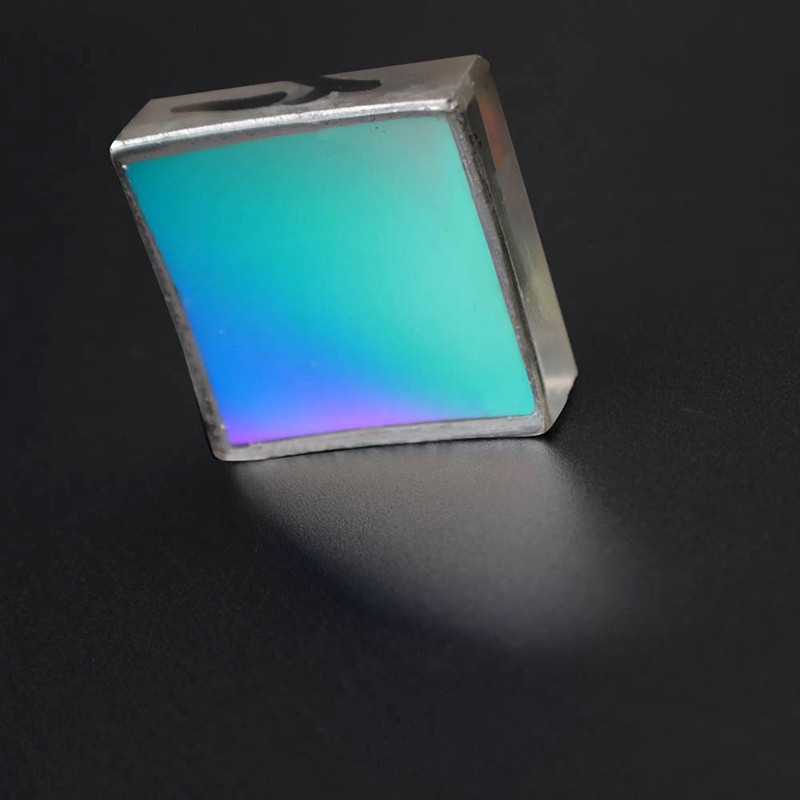
Holographic Concave Grating
Model:
Holographic concave gratings are precision diffraction gratings fabricated using laser holographic recording on a concave substrate. By combining light dispersion and focusing in a single optical element, they enable compact, high-performance spectroscopic systems. Compared with mechanically ruled gratings, holographic concave gratings offer extremely low stray light, minimal ghosting, and excelle
- Low stray light
- Low ghost lines
- Smooth sinusoidal groove profiles
- Technical Parameter
- Electrical Parameter
A holographic concave grating is a type of diffraction grating used mainly in spectroscopy, where the grating surface is curved (concave) and the groove pattern is formed by holographic recording rather than mechanical ruling.
A holographic concave grating is a concave mirror–like grating whose grooves are created by interference of laser beams, allowing it to disperse and focus light at the same time with very low stray light.
Concave Grating:
The grating surface is concave (usually spherical)
It both diffracts and focuses light
Often eliminates the need for a separate collimating mirror or lens
Common in Rowland circle spectrometers
Holographic grating:
Grooves are formed by recording an interference pattern of coherent laser beams
No mechanical ruling
Produces:
Very low stray light
Low ghost lines
Smooth sinusoidal groove profiles
How it is made
Two coherent laser beams interfere on a photoresist-coated concave substrate
The interference fringes define the groove spacing and curvature
The pattern is developed and often metal-coated (Al, Au, etc.)
Final result: a precise groove pattern matched to the concave surface
A holographic concave grating is a concave mirror–like grating whose grooves are created by interference of laser beams, allowing it to disperse and focus light at the same time with very low stray light.
Concave Grating:
The grating surface is concave (usually spherical)
It both diffracts and focuses light
Often eliminates the need for a separate collimating mirror or lens
Common in Rowland circle spectrometers
Holographic grating:
Grooves are formed by recording an interference pattern of coherent laser beams
No mechanical ruling
Produces:
Very low stray light
Low ghost lines
Smooth sinusoidal groove profiles
How it is made
Two coherent laser beams interfere on a photoresist-coated concave substrate
The interference fringes define the groove spacing and curvature
The pattern is developed and often metal-coated (Al, Au, etc.)
Final result: a precise groove pattern matched to the concave surface
Related Products



Send Your Inquiry Today